
Electrical safety is an essential part of maintaining a property, whether it is a privately owned home, rented accommodation or commercial premises. Although electrical installations are designed to operate safely for many years, regular use, ageing components and environmental conditions can gradually affect their performance.
Many electrical faults are not immediately noticeable. A property might have functioning lights and sockets while hidden wiring defects, poor earthing or deteriorating connections remain undetected. Without proper inspection, these problems could increase the likelihood of electric shock, equipment damage or fire.
An EICR certificate, formally known as an Electrical Installation Condition Report, provides a structured assessment of a property’s fixed electrical system. The inspection identifies potential safety concerns and helps owners understand whether maintenance, repairs or further testing are necessary.
For landlords, obtaining an EICR is also an important aspect of complying with electrical safety legislation. Homeowners, letting agents and commercial property managers can use the report to make better decisions about electrical maintenance.
Liviosiv provides electrical inspection and testing services across London, helping residential and commercial property owners understand the condition of their electrical installations.
This article explores what an EICR involves, when inspections are required, how reports are classified, typical inspection costs and the steps to take when electrical defects are discovered.
What Does an EICR Certificate Mean?
EICR is the abbreviation for Electrical Installation Condition Report. It is a document issued following an inspection and testing process carried out by a competent electrical professional.
The purpose of the assessment is to establish whether an existing fixed electrical installation is in a satisfactory condition for continued service.
Unlike a certificate issued after newly installed electrical work, an EICR concentrates on evaluating the condition of an installation that is already in use.
During the inspection, the electrician examines accessible parts of the electrical system, carries out appropriate tests and records any problems that could affect safety.
The assessment may cover the following components:
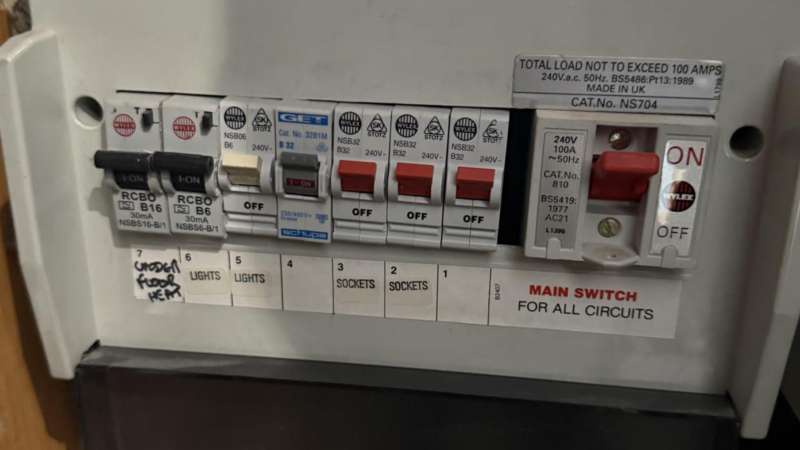
- Consumer units and electrical distribution boards.
- Fixed wiring and associated electrical circuits.
- Socket outlets and electrical switches.
- Earthing and protective bonding connections.
- Circuit breakers, fuses and other protective equipment.
- Residual current devices (RCDs).
- Electrical connections and accessible accessories.
- Evidence of overheating, damage or deterioration.
The electrician uses the inspection results to prepare a report describing the installation’s condition and identifying any defects that require attention.
It is worth understanding that an EICR describes the condition of an electrical installation at the time of assessment. It does not guarantee that faults cannot develop afterwards.
For property owners looking for an EICR certificate in London, Liviosiv offers inspection and testing services for different types of buildings.
Why Should Property Owners Arrange Electrical Safety Inspections?
An electrical installation can appear to be operating normally even when individual components are no longer in satisfactory condition.
As wiring systems age, connections may loosen, insulation may deteriorate and protective devices can become less reliable. Alterations carried out over the years may also affect the overall safety of the installation.
An EICR gives property owners an opportunity to identify these concerns before they lead to more serious consequences.
Reducing Electrical Hazards
One of the main reasons for arranging electrical testing is to identify conditions that could expose occupants to danger.
Damaged insulation, inadequate protective arrangements and faulty components may increase the risk of electric shock or electrical fires. Inspection and testing help reveal problems that might otherwise remain hidden.
Planning Property Maintenance
Electrical defects are not always obvious during routine building maintenance.
An EICR provides information that can help owners prioritise repairs, decide when improvements are needed and monitor the general condition of an installation.
Supporting Landlord Compliance
Landlords have legal responsibilities concerning electrical safety in rented accommodation.
For properties covered by the relevant regulations in England, periodic electrical inspection and testing form part of those duties.
Helping Businesses Manage Electrical Risks
Workplaces often contain electrical systems that support lighting, equipment, heating, ventilation and other everyday operations.
Periodic assessments can help those responsible for commercial premises identify electrical defects and organise suitable maintenance.
Providing a Record of Inspection
An EICR creates a written record of the installation’s condition, including inspection findings, test results and recommendations.
This information can be useful when managing property portfolios, arranging maintenance or reviewing previous electrical work.
Ultimately, the value of an EICR lies in identifying risks and ensuring appropriate action is taken, rather than simply obtaining paperwork.
Are EICR Certificates Compulsory for Landlords in England?
Landlords of properties covered by the Electrical Safety Standards in the Private Rented Sector and Social Rented Sector (England) Regulations 2020, as amended, must comply with specified electrical inspection and testing requirements.
For covered rental accommodation, the fixed electrical installation must generally be inspected and tested at intervals of no more than five years. A shorter interval applies if the previous report recommends an earlier inspection.
The assessment must be completed by a suitably qualified and competent person.
Landlords also have responsibilities relating to documentation and necessary electrical work.
These responsibilities generally include:
- Ensuring electrical inspections are completed within the required timeframe.
- Keeping a copy of the current electrical inspection report.
- Giving existing tenants a copy within 28 days of the inspection.
- Providing new tenants with the latest report before they move into the property.
- Supplying prospective tenants with a report within 28 days when requested.
- Arranging necessary remedial work or investigation within the applicable deadline.
If the report identifies defects that require remedial or investigative work, landlords must normally arrange for the work to be completed within 28 days, unless the report specifies an earlier deadline.
Following completion, appropriate written confirmation must be obtained and supplied in accordance with the regulations.
These duties help ensure that landlords do more than arrange inspections; they must also address electrical hazards identified in the report.
Further information is available through the UK Government’s electrical safety guidance.
Domestic EICR Inspections for Homes and Rental Properties
Electrical installations in residential buildings are subject to different demands depending on the property’s age, layout and occupancy.
A small apartment may have relatively few electrical circuits, while a larger house could contain several distribution boards, additional wiring and more complex electrical arrangements.
A domestic EICR allows an electrician to examine the fixed installation and identify conditions that may require further attention.
Electrical Inspections for Landlords
Landlords need to ensure that the electrical installations in their properties meet the applicable safety requirements.
An EICR helps establish the condition of the installation and records any findings that require action.
For landlords managing several properties, maintaining an organised inspection schedule can also make it easier to monitor upcoming testing dates and completed remedial works.
Electrical Inspections for Homeowners
Owner-occupiers may arrange an EICR even where there is no general legal requirement to obtain one.
An inspection can be particularly useful when purchasing an older house, planning significant alterations or investigating recurring electrical problems.
For example, frequently tripping circuit breakers, discoloured socket outlets or unusual electrical noises can indicate the need for professional attention.
Although an EICR may identify concerns associated with these symptoms, certain problems may require separate fault-finding investigations.
Liviosiv provides residential EICR testing in London for homeowners, landlords and property management companies.
How Is an EICR Inspection Carried Out?
Electrical installation condition reporting involves more than looking at sockets and checking whether appliances switch on.
The electrician follows an inspection and testing process appropriate to the installation, taking account of accessibility, safety and any agreed limitations.
Initial Visual Assessment
The process normally begins with an examination of accessible electrical components.
The inspector looks for indications of damage, deterioration, overheating and unsuitable electrical arrangements.
Particular attention may be given to the consumer unit, protective devices, wiring accessories and the condition of visible connections.
The electrician also considers whether the installation has suitable protective measures against electric shock and other electrical hazards.
Electrical Testing Procedures
Specialist testing instruments are used to obtain information that cannot be established through visual examination alone.
Depending on the installation and inspection scope, testing may involve:
- Checking the continuity of protective conductors.
- Measuring insulation resistance.
- Confirming correct electrical polarity.
- Assessing earth fault loop impedance.
- Testing the operation of residual current devices.
- Evaluating the effectiveness of electrical protective arrangements.
Some tests require individual circuits or sections of the installation to be disconnected temporarily.
Property owners and occupants should therefore be aware that short interruptions to electrical power may be necessary.
Identifying and Classifying Defects
If the electrician discovers a safety concern, it is recorded in the inspection report.
Each relevant observation is assigned a classification code based on the nature and seriousness of the problem.
These codes allow property owners to distinguish between immediate electrical danger, potentially dangerous conditions and improvements that are recommended.
Issuing the Inspection Report
Following the inspection, the electrician prepares the EICR using the recorded observations and test results.
The finished document generally includes details of the property, the extent of the inspection, limitations, circuit information, test results and the inspector’s overall assessment.
The report will indicate whether the installation is considered satisfactory or unsatisfactory for continued use.
A recommended date for the next inspection is also recorded.
What Do C1, C2, C3 and FI Mean on an EICR?
Electrical inspection reports use classification codes to communicate the importance of particular findings.
These codes are especially useful when deciding which electrical defects require urgent attention.
C1: Danger Present
A C1 classification indicates that an existing condition presents immediate danger.
For example, accessible live electrical parts could expose someone to direct contact with electricity.
The danger must be addressed immediately through appropriate action to make the installation safe.
C2: Potentially Dangerous
C2 is used when an electrical condition is potentially dangerous, even if an accident or injury is not occurring at the time of inspection.
Such defects require urgent remedial action because they may create significant risk under certain circumstances.
C3: Improvement Recommended
A C3 observation identifies an aspect of the installation where an improvement would be beneficial.
Unlike C1 and C2, a C3 finding does not automatically result in an unsatisfactory report.
However, the recommendation should still be reviewed, particularly when planning future electrical upgrades.
FI: Further Investigation Required
FI indicates that the inspector has identified a concern requiring additional investigation without delay.
Further assessment is necessary to determine whether a dangerous condition exists.
An EICR containing one or more C1, C2 or FI observations will normally receive an unsatisfactory overall assessment.
This does not necessarily mean the property requires complete rewiring. The extent of the remedial work depends on the specific defects identified.
What Is the Cost of an EICR Certificate in London?
The price of an electrical installation condition report is influenced by several factors.
Property size is one consideration, but the number of electrical circuits, distribution boards and complexity of the installation can be equally important.
A straightforward inspection in a studio apartment will generally involve a different amount of work from testing a large property with several consumer units.
Liviosiv lists the following indicative domestic EICR prices:
| Property Type | Indicative EICR Price |
| Studio flat | £77 |
| 1–3 bedroom property | £92 |
| 4 bedroom property | £102 |
| 5 bedroom property | £112 |
| 6+ bedroom property | £122 |
These figures are indicative advertised rates and should be confirmed directly with Liviosiv before arranging an appointment.
Additional circuits, multiple distribution boards or unusual access arrangements may affect the quotation.
What Influences the Final Inspection Price?
Several practical details can affect how an EICR is priced.
The number of circuits determines how much testing is needed, while the condition and accessibility of electrical equipment may also influence the inspection process.
Larger commercial installations often require more detailed planning and testing than typical domestic properties.
When requesting a quotation, customers should confirm the scope of work, whether the written report is included and whether any additional charges may apply.
Electrical repairs are normally priced separately because the exact requirements may only become clear after the inspection.
A sensible comparison should consider not only the price but also the competence of the inspector and the quality of the service being provided.
EICR Testing for Commercial Buildings
Commercial electrical installations can be considerably more complicated than those found in residential properties.
Offices, restaurants, retail premises, warehouses and other workplaces may have multiple distribution boards, specialist equipment and electrical systems that operate for extended periods.
Those responsible for these buildings need to consider electrical safety as part of their wider maintenance and risk-management arrangements.
The Electricity at Work Regulations 1989 require electrical systems to be maintained, so far as reasonably practicable, to prevent danger.
An EICR can support this responsibility by providing a professional assessment of the condition of fixed electrical installations.
During a commercial inspection, the electrician may examine distribution equipment, circuit protection, fixed wiring and other relevant electrical components.
Potential problems could include deteriorating wiring, damaged equipment, unsuitable protective measures or electrical connections showing signs of overheating.
There is no single statutory inspection frequency that applies universally to every commercial building.
The appropriate interval will depend on factors such as the installation’s condition, the operating environment, its use and the associated risks.
Business owners looking for commercial EICR services in London can contact Liviosiv to discuss the inspection requirements for their premises.
How Frequently Should an EICR Be Renewed?
The recommended inspection interval is not identical for every property.
Different buildings experience different levels of electrical use, environmental exposure and maintenance activity.
For covered rented accommodation in England, electrical inspection and testing must normally take place at least every five years, or earlier where required by the previous report.
For owner-occupied homes, periodic inspections at intervals of up to ten years are commonly recommended, although older or higher-risk installations may need more frequent attention.
In commercial settings, inspection frequency should be determined with reference to the installation’s circumstances and the relevant professional guidance.
An earlier inspection may also be appropriate after significant electrical alterations, flood damage, a serious electrical incident or the discovery of recurring defects.
Property owners should always refer to the next inspection date specified in their latest EICR.
It is also important to recognise that the report is a snapshot of the installation’s condition when the inspection was performed, rather than an unconditional guarantee of future safety.
What Should You Do After Receiving an Unsatisfactory EICR?
Receiving an unsatisfactory electrical inspection report can be concerning, but it does not automatically mean the entire installation must be replaced.
The first step is to understand the observations recorded by the inspector.
The report should identify the relevant defects and explain their classification.
Some issues may involve individual accessories or protective devices, while others may require more substantial electrical repairs or additional investigation.
A competent electrician can review the findings and explain the work necessary to address each problem.
Conditions presenting immediate danger require immediate action to make them safe. Potentially dangerous conditions should be dealt with urgently.
For landlords of covered rented accommodation in England, the regulations set specific deadlines for completing required remedial or investigative work.
Where applicable, the work must normally be completed within 28 days, or sooner if the report specifies a shorter period.
After the necessary work is finished, the landlord should obtain appropriate written confirmation and provide the required documentation to tenants and the relevant local authority.
Retaining the original report alongside records of repairs creates a useful history of the property’s electrical condition and maintenance.
Why Is the Electrician’s Competence Important?
An EICR requires technical knowledge, practical inspection experience and the ability to interpret electrical test results correctly.
The electrician must be capable of recognising defects, evaluating risks and applying the appropriate requirements of BS 7671.
Electrical qualifications, relevant experience and recognised registration schemes can help property owners assess a contractor’s suitability.
Industry organisations commonly associated with electrical work include NICEIC, NAPIT and City & Guilds.
NICEIC and NAPIT operate registration or assessment arrangements for electrical contractors, while City & Guilds provides vocational qualifications relevant to electrical installation and testing.
These credentials do not all serve the same purpose. A professional qualification demonstrates particular knowledge or training, while business registration relates to the requirements of the relevant scheme.
Customers should check the registration status of the contractor they intend to appoint and confirm that the individual carrying out the inspection has suitable competence.
Liviosiv describes its electrical services as supported by appropriately qualified engineers and recognised industry credentials. Customers can request confirmation of relevant registrations and qualifications when booking.
How to Select an EICR Inspection Provider in London
Finding a suitable electrical inspection company involves more than choosing the cheapest available quotation.
A reliable service provider should be able to explain the assessment process, identify what is included in the inspection and produce a report that clearly communicates the findings.
Before arranging an appointment, property owners may wish to check the contractor’s experience with their particular type of building.
For example, inspecting a small residential property is different from testing a commercial installation containing numerous circuits and distribution boards.
It is also useful to confirm how reports are issued and whether the contractor can provide a separate quotation for any remedial work that may be necessary.
Clear communication is particularly important when an EICR identifies faults that are difficult for someone without electrical training to understand.
Liviosiv provides a range of property compliance services in London, including electrical inspections, electrical remedial work, gas safety services and fire safety assessments.
The company works with landlords, homeowners, letting agents and businesses requiring support with property safety inspections and related compliance requirements.
Frequently Asked Questions About EICR Certificates
What is an EICR certificate used for?
An EICR is used to assess the condition of a property’s fixed electrical installation. It records inspection findings, electrical test results and any defects or recommendations identified during the assessment.
Is an EICR the same as an electrical safety certificate?
People frequently use the expression electrical safety certificate when referring to an EICR. However, its official name is Electrical Installation Condition Report, and it is different from certificates issued for new electrical installation work.
How much time does an electrical inspection take?
A typical domestic inspection may take several hours. The duration varies according to the size of the property, the number of electrical circuits, accessibility and the condition of the existing installation.
Do all landlords need an EICR every five years?
Landlords of rented accommodation covered by the electrical safety regulations in England must generally arrange inspection and testing at least every five years. An earlier inspection may be required if the existing report recommends a shorter interval.
Is an EICR legally necessary for homeowners?
Homeowners living in their own properties are not generally required to obtain an EICR simply because they own or occupy the building. However, periodic electrical inspections are recommended as part of responsible property maintenance.
Do I need an EICR when selling a property?
An EICR is not normally a general legal requirement for selling an ordinary residential property in England. Nevertheless, prospective buyers or their representatives may ask for information about the condition of the electrical installation.
Can an EICR report be verified on the internet?
Electrical reports may be provided electronically, but there is no single public database containing every EICR issued throughout the UK. Customers can check the contractor’s credentials and request clarification of report details where necessary.
Does an EICR inspection include PAT testing?
No. An EICR focuses on the fixed electrical installation within the property. Portable Appliance Testing, commonly called PAT testing, is a separate process concerned with electrical appliances and equipment.
How often should electrical inspections take place in commercial properties?
Commercial inspection intervals depend on the type of installation, building use, environmental conditions and other risk factors. A competent electrical professional can advise on a suitable inspection schedule.
Can an older electrical system receive a satisfactory EICR?
Yes. An installation does not automatically become unsatisfactory because it was installed under an earlier edition of the wiring regulations. The inspector considers its actual condition and whether it is suitable for continued service.
Conclusion: Keeping Electrical Installations Safe and Well Maintained
Electrical systems are fundamental to the safe operation of homes and commercial buildings, yet many defects can develop without obvious warning signs.
An Electrical Installation Condition Report gives property owners a clearer understanding of their installation’s condition and highlights issues that may need attention.
For landlords, inspections also support compliance with legal electrical safety obligations. Homeowners can use the findings to plan improvements, while businesses can incorporate EICR recommendations into their maintenance arrangements.
The most important part of the process is ensuring that identified dangers are addressed appropriately.
By arranging inspections with competent professionals, keeping accurate documentation and responding to electrical defects, property owners can take practical steps towards maintaining safer electrical installations.
Book an EICR Certificate in London With Liviosiv
Liviosiv supports landlords, letting agents, homeowners and commercial property managers who need professional electrical inspection and testing services across London.
Whether you require an EICR for a rental property, an assessment of your home’s electrical installation or testing for business premises, the team can discuss your requirements and provide a suitable quotation.
Contact Liviosiv
Office Address: 34 Ennismore Avenue, Greenford, England, UB6 0JN
Telephone: +44 20 4617 8121
Email: contact@liviosiv.co
Contact Liviosiv to enquire about residential or commercial EICR inspections and arrange electrical testing for your property in London.