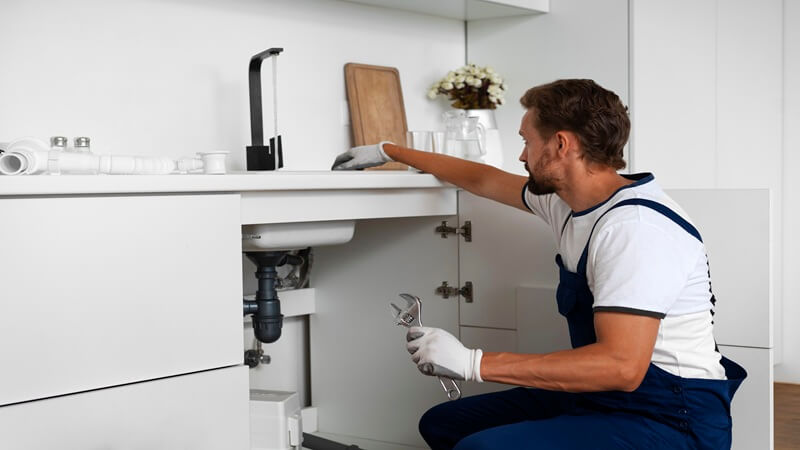
Plumbing maintenance is one of the most important responsibilities of every homeowner. A well-maintained plumbing system protects your home from costly repairs, water damage, and unexpected emergencies. Many plumbing problems start small, but they grow worse when ignored. With the right knowledge and a consistent maintenance routine, you can keep your pipes, fixtures, and appliances working efficiently for years.
This complete guide explains plumbing maintenance in detail. You will learn why it matters, how to maintain your system step by step, and when to call a professional. By the end, you will feel confident managing your home’s plumbing the right way.
What Is Plumbing Maintenance?
Plumbing maintenance means regularly checking, cleaning, and caring for your plumbing system. This system includes pipes, faucets, toilets, drains, water heaters, and outdoor plumbing lines. Maintenance focuses on prevention rather than repair.
Instead of waiting for leaks or blockages, you take action early. You inspect parts, fix minor issues, and keep everything flowing smoothly. As a result, you reduce stress, save money, and avoid sudden breakdowns.
Why Plumbing Maintenance Is So Important
Many homeowners underestimate plumbing maintenance, but it plays a major role in home safety and comfort. First, maintenance prevents costly repairs. A small leak can damage walls, floors, and foundations if left untreated. Regular checks help you spot these issues early.
Second, maintenance saves water. Leaky faucets and running toilets waste gallons of water every day. Fixing them quickly lowers your water bill and supports environmental conservation.
Third, maintenance protects your health. Clean pipes reduce the risk of contamination, mold growth, and unpleasant odors inside your home.
Finally, maintenance increases the lifespan of your plumbing system. Pipes and fixtures last longer when you care for them properly.
Common Plumbing Problems Caused by Poor Maintenance
When homeowners skip maintenance, problems often appear without warning. Some of the most common issues include:
-
Clogged drains due to grease, hair, and debris buildup
-
Leaking faucets and pipes caused by worn seals or corrosion
-
Low water pressure from mineral deposits or hidden leaks
-
Running toilets that waste water constantly
-
Water heater failure due to sediment buildup
Each of these problems starts small. However, they become expensive repairs when ignored.
Essential Plumbing Maintenance Tasks for Every Home
A consistent routine makes plumbing care manageable. Here are the most important tasks every homeowner should handle.
Inspect Pipes for Leaks
Check visible pipes under sinks, behind toilets, and near appliances. Look for moisture, rust, or discoloration. Even a slow drip signals a problem that needs attention.
If you find a leak, fix it immediately. Tighten loose fittings or replace faulty washers. For larger leaks, contact a professional plumber.
Clean Drains Regularly
Slow drains indicate buildup. To prevent clogs, clean your drains monthly. Use hot water combined with mild cleaning solutions to loosen debris.
Avoid pouring grease, oil, or food scraps down the kitchen sink. Use drain covers to catch hair in showers and bathroom sinks.
Test Water Pressure
Proper water pressure protects your pipes. High pressure strains plumbing components and causes leaks over time.
Use a pressure gauge to test your home’s water pressure. Most homes should stay between 40 and 60 PSI. If pressure exceeds this range, install a pressure regulator.
Check Toilets for Hidden Leaks
Toilets often leak silently. Add a few drops of food coloring to the tank and wait 15 minutes. If color appears in the bowl, you have a leak. Replace the flapper valve or internal parts to stop water waste and prevent higher bills.
Water Heater Maintenance Tips
Your water heater works every day, yet many homeowners ignore it. Proper care improves efficiency and extends its lifespan.
Flush the tank once a year to remove sediment buildup. Sediment reduces heating efficiency and damages the tank over time. Check the temperature setting as well. Set it to around 120°F to save energy and prevent scalding.
Inspect the area around the heater for leaks, rust, or unusual sounds. Address any issues immediately to avoid complete failure.
Outdoor Plumbing Maintenance
Plumbing maintenance does not stop indoors. Outdoor plumbing needs attention, too, especially in changing weather. Inspect garden hoses for cracks or leaks. Replace damaged hoses to avoid water waste.
Clean outdoor drains and gutters to prevent water pooling near your foundation. Before winter, disconnect hoses and shut off outdoor water lines. This step prevents pipes from freezing and bursting during cold months.
Seasonal Plumbing Maintenance Checklist
Maintaining your plumbing system becomes easier when you follow a seasonal routine.
Spring
-
Check for leaks caused by winter freezing
-
Inspect outdoor faucets and irrigation systems
-
Clean showerheads and faucets
Summer
-
Monitor water pressure during heavy usage
-
Inspect washing machine hoses
-
Check for sewer odors
Fall
-
Prepare pipes for colder weather
-
Clean gutters and downspouts
-
Test your sump pump
Winter
-
Insulate exposed pipes
-
Keep cabinet doors open to allow warm air circulation
-
Monitor pipes during freezing temperatures
When to Call a Professional Plumber
While homeowners can handle many tasks, some situations require professional help. Call a plumber if you experience repeated clogs, low water pressure throughout the house, persistent leaks, or unusual noises in pipes. Also, contact a professional for sewer line issues or major water heater problems.
Professional plumbers have the tools and expertise to diagnose hidden issues and provide long-term solutions.
How Plumbing Maintenance Saves Money Long Term
Routine care might seem like extra work, but it saves significant money over time. Small repairs cost far less than emergency services. For example, fixing a minor leak costs little compared to repairing water damage to walls and floors.
Efficient plumbing also reduces utility bills. Proper water pressure, efficient fixtures, and well-maintained appliances use less water and energy.
Additionally, well-maintained plumbing adds value to your home. Buyers appreciate systems that require minimal repairs.
Mistakes to Avoid in Plumbing Maintenance
Many homeowners unknowingly worsen plumbing problems. Avoid these common mistakes:
-
Using chemical drain cleaners too often which damage pipes
-
Ignoring slow leaks or small drips
-
Flushing non-flushable items such as wipes or paper towels
-
Skipping annual inspections
Instead, adopt gentle cleaning methods and address issues early.
Eco-Friendly Plumbing Maintenance Practices
Sustainable plumbing care benefits both your wallet and the environment. Install water-saving fixtures like low-flow faucets and showerheads. Fix leaks promptly to reduce water waste.
Collect rainwater for outdoor use when possible. Also, maintain your plumbing system efficiently to lower energy consumption. These simple practices support long-term sustainability without sacrificing performance.
Final Thoughts on Plumbing Maintenance
Plumbing maintenance is not optional if you want a safe, efficient, and comfortable home. When you inspect pipes, clean drains, maintain your water heater, and follow a seasonal checklist, you prevent problems before they start.
With consistent care and smart habits, your plumbing system will serve you reliably for years. Start today, stay proactive, and remember that a little effort now prevents major repairs later.
For more info visit TheSerpentRogue