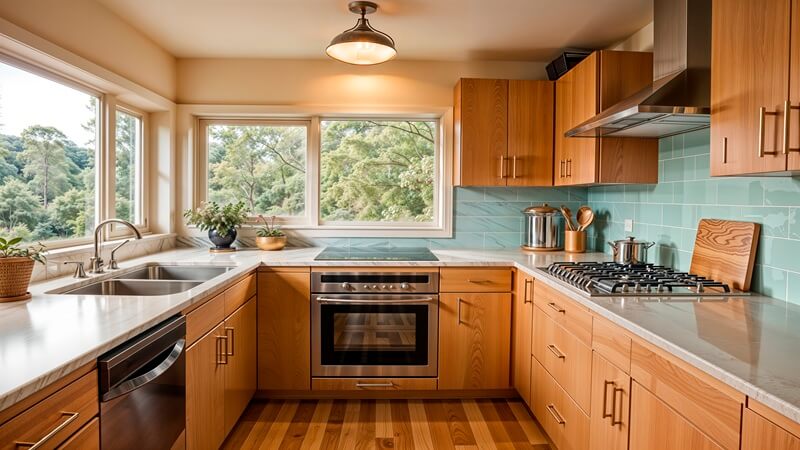
A kitchen renovation is one of the most valuable improvements you can make to your home. It enhances functionality, boosts property value, and transforms your everyday living experience. However, a successful remodel requires careful planning, the right budget, and a clear understanding of the step-by-step process. This detailed guide explains everything you need to know, from planning and budgeting to design trends and final walkthroughs. Whether you want a modern, minimalist kitchen or a warm, nature-inspired layout, the insights below will help you renovate with confidence.
Why a Kitchen Renovation Matters in 2025
In 2025, homeowners focus more on functionality, durability, and timeless design. Modern kitchens must support busy lifestyles, energy-efficient appliances, and flexible storage. A well-planned remodel also increases resale value. Mid-range kitchen remodels now average $26,000 to $45,000, depending on the scope, materials, and location. Therefore, understanding the process helps you prevent surprises and make well-informed decisions.
1. Start With a Clear Assessment and Smart Planning
Every successful remodel begins with a realistic evaluation of your current kitchen. Ask yourself what isn’t working. Do you need more counter space? Better lighting? A more efficient workflow? Once you identify your priorities, create a detailed floor plan.
Key planning steps:
-
Measure your space carefully. Include cabinets, walls, windows, doors, and appliances.
-
Define your style. Choose between modern, traditional, farmhouse, industrial, or transitional designs.
-
List your must-have features. Examples: more storage, an island, better lighting, smart appliances.
Planning saves time, reduces stress, and helps contractors understand your goals clearly.
2. Set a Realistic and Flexible Budget
Budgeting is one of the most important parts of a kitchen renovation. Experts recommend investing about 5–15% of your home’s value into the remodel. This ensures a healthy balance between cost and return on investment.
Your budget should include:
-
Materials (cabinets, countertops, flooring, hardware)
-
Appliances
-
Labor and professional fees
-
Plumbing and electrical changes
-
Permits
-
Contingency fund
Always set aside 10–20% for unexpected issues. Hidden plumbing problems, outdated wiring, or structural repairs can appear once demolition begins. A flexible budget prevents delays and financial stress.
3. Choose the Right Professionals
Hiring the right professionals determines the overall quality of your project. In 2025, many homeowners prefer design-build firms because they handle everything under one contract—from design to construction. However, you can also hire individual contractors.
Tips for selecting professionals:
-
Request quotes from at least 3 licensed and insured contractors
-
Check online reviews and past project photos
-
Ask for references and speak directly with previous clients
-
Make sure the contractor understands your style and goals
-
Review contracts thoroughly before signing
Good communication and transparency ensure your project moves smoothly.
4. Secure Permits and Order Materials Early
Many cities require permits for demolition, plumbing, electrical work, or structural changes. Your contractor can manage the permit process, but you should still understand local requirements.
Why early ordering matters:
-
Prevents material shortages
-
Reduces delivery delays
-
Helps maintain the construction schedule
-
Ensures consistency in colors and finishes
Popular materials like quartz countertops or custom cabinets may take several weeks to arrive, so ordering early keeps the project on track.
5. Prepare Your Home for Construction
Before the work begins, you must prepare your home for the disruption.
Steps to prepare:
-
Clear out all kitchen cabinets and drawers
-
Move fragile items away from the renovation zone
-
Set up a temporary kitchen with a microwave, toaster, or portable stove
-
Seal off nearby areas with plastic sheets to control dust
-
Plan for noise, mess, and limited cooking options
This preparation keeps your home functional during the renovation.
6. Demolition and Rough-In Work
Demolition is the first active stage of construction. Contractors remove old cabinets, appliances, flooring, fixtures, and sometimes walls.
After demolition, rough-in work begins:
-
Updating plumbing lines
-
Installing or modifying electrical wiring
-
Adding new gas lines
-
Reinforcing structural elements
-
Completing HVAC adjustments if needed
Inspectors review the work before the next phase begins. This step ensures everything meets safety codes.
7. Install New Flooring, Cabinets, and Countertops
Once the rough-in work passes inspection, the transformation begins.
Flooring installation choices:
-
Vinyl/resilient flooring – most popular in 2025 due to durability and water resistance
-
Hardwood – warm and premium
-
Porcelain tile – durable and stylish
Large-format tiles create a seamless, modern look.
Cabinet installation:
Cabinets are often the biggest expense in a kitchen renovation. In 2025, homeowners prefer:
-
White shaker cabinets
-
Warm wood tones
-
Custom storage systems
-
Two-tone cabinetry
-
Soft-close hinges and drawers
Countertops:
Quartz remains a top choice because it is strong, non-porous, and visually attractive. Granite and solid-surface options also remain popular. Black countertops are trending because they provide modern contrast and bold personality.
8. Add Finishing Touches: Backsplash, Hardware, and Fixtures
Finishes complete the aesthetic and add character to the space.
Popular 2025 finish trends include:
-
Matte black and brushed brass hardware
-
Nature-inspired tiles
-
Mixed metal fixtures
-
LED under-cabinet lighting
-
Large ceramic or porcelain backsplash panels
These elements elevate your kitchen and create a polished, cohesive look.
9. Install Appliances and Conduct the Final Walkthrough
Appliances are typically delivered at the end of the remodel to prevent damage during construction. Once installed, you and your contractor should complete a full walkthrough.
During the final inspection, check for:
-
Smooth cabinet doors and drawers
-
Properly sealed countertops
-
Functional plumbing and electrical systems
-
Aligned tiles and clean grout lines
-
Working appliances
-
Paint touch-ups
-
Dust cleanup
Make sure the contractor addresses any issues before signing off on the project.
2025 Design Trends to Inspire Your Kitchen Renovation
Design preferences continue to evolve, and 2025 introduces new trends rooted in warmth, function, and natural inspiration.
1. Warm, Earthy Color Palettes
Homeowners now prefer colors found in nature, such as:
-
Deep greens
-
Muted blues
-
Chocolate browns
-
Beige and cream
-
Warm grays
These tones create a calm and welcoming space.
2. Statement Islands
Kitchen islands now serve as multifunctional hubs for eating, working, and entertaining. Popular features include:
-
Waterfall quartz edges
-
Built-in storage
-
Integrated charging stations
-
Seating for 3–6 people
3. Smart Kitchens
Smart technology continues to expand:
-
Voice-controlled lighting
-
Smart refrigerators
-
Touchless faucets
-
Energy-efficient appliances
-
Integrated charging drawers
These upgrades improve convenience and reduce energy costs.
4. Mixed Materials for Texture
Combining wood, stone, metal, and glass adds visual interest. For example:
-
Wood cabinets with quartz countertops
-
Brass hardware with matte black fixtures
-
Textured tile paired with painted walls
This creates a balanced and dynamic design.
Maintenance Tips After Your Remodel
To keep your new kitchen looking fresh and functioning well, follow simple maintenance steps.
-
Wipe spills quickly to protect countertops and flooring
-
Clean cabinets with gentle soap and avoid harsh chemicals
-
Use cutting boards to prevent scratches
-
Reseal natural stone countertops as needed
-
Maintain appliance filters and vents
-
Clean grout regularly to prevent staining
Routine care extends your kitchen’s lifespan and maintains its beauty.
Conclusion
A kitchen renovation is a major investment, but with the right planning and guidance, it becomes a rewarding project that transforms your home. By following a clear step-by-step process—planning, budgeting, demolition, installation, and finishing—you can create a functional and stylish kitchen that meets your needs for years to come. Staying informed about 2025 design trends, material choices, and professional insights ensures that your remodel is both timeless and efficient. With the right approach, your new kitchen will not only look impressive but also support your everyday lifestyle with comfort and convenience.
For more info visit TheSerpentRogue