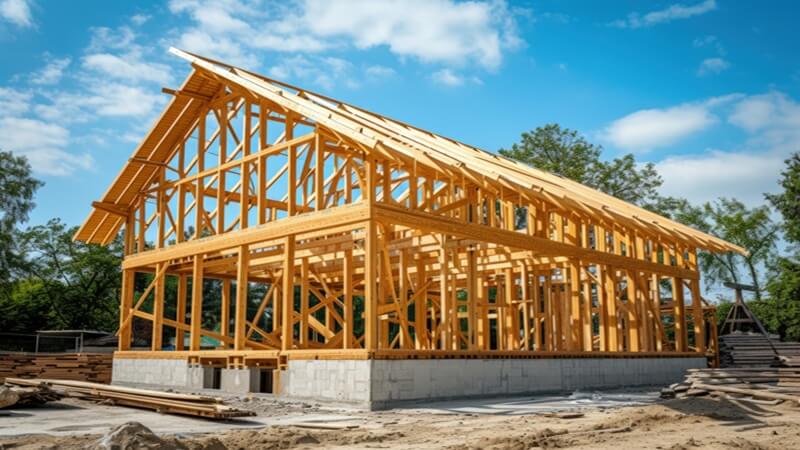
House framing is one of the most critical stages in home construction. It creates the structural skeleton that supports every part of the building, from walls and floors to the roof and interior finishes. Without proper framing, a house cannot stand strong, safe, or durable over time. Therefore, understanding how framing works helps homeowners, builders, and investors make better construction decisions.
In this detailed guide, you will learn what framing for a house means, how the process works from the ground up, the common materials used, different framing models, and how to choose the best framing approach for your home. This article explains everything in clear, active, and practical language.
What Is House Framing?
House framing is the process of constructing the main load-bearing structure of a building. Builders assemble a network of beams, studs, joists, and rafters to form the shape and strength of the house. This framework holds the walls upright, supports the floors, and carries the roof load safely down to the foundation.
In simple terms, framing acts as the bones of a house. Just as bones support the human body, framing supports all architectural and finishing elements. Once framing is complete, the house begins to look like a real structure instead of just a foundation.
In cities like Sahiwal, framing usually forms part of the grey structure, which includes the foundation, columns, beams, slabs, and roof framework. Local building codes strongly influence framing materials and techniques to ensure safety and durability.
Why House Framing Is So Important
Strong framing ensures your house remains stable for decades. It protects the building from environmental stress such as wind, earthquakes, and heavy loads. Moreover, proper framing improves energy efficiency by allowing better insulation and airtight construction.
When builders follow correct framing practices, they also prevent future problems like wall cracks, uneven floors, and roof sagging. Therefore, investing in quality framing saves money on long-term repairs and maintenance.
From the Ground Up: How House Framing Works
The framing process follows a clear sequence that starts at the foundation and moves upward. Each step builds on the previous one, ensuring structural balance and strength.
1. Foundation Preparation
Before framing begins, contractors prepare a strong foundation. This base supports the entire weight of the house. Builders pour concrete footings and slabs according to structural drawings and soil conditions.
2. Floor Framing
Next, builders install floor joists and beams. These components form a sturdy platform for the living spaces above. Proper spacing and alignment ensure the floor feels solid and level.
3. Wall Framing
After the floor system, workers assemble wall frames using vertical studs, horizontal plates, and headers. They raise these frames into position and secure them firmly. Openings for doors and windows are framed carefully to maintain strength.
4. Roof Framing
Finally, builders construct the roof framework using rafters or trusses. This step completes the main skeleton and prepares the house for roofing materials.
Once this stage finishes, the house framing clearly shows the shape, height, and layout of the future home.
Materials Commonly Used in House Framing
Choosing the right framing material affects durability, cost, and maintenance. Builders select materials based on budget, climate, and design preferences.
Wood Framing
Wood remains the most popular framing material worldwide. It is affordable, easy to work with, and readily available. Builders often use treated timber to protect against termites and moisture.
Steel Framing
Steel framing offers strength, consistency, and resistance to pests. It does not warp or shrink like wood. However, it costs more and requires skilled installation.
Aluminium Framing
Aluminium framing works best for modern designs, especially for windows and doors. It resists rust, supports large glass panels, and provides a sleek appearance. Many contemporary homes prefer aluminium frames for durability and style.
What Are the 7 Models of Framing?
The term “framing models” can apply to conceptual frameworks used in communication studies. However, in construction, framing styles focus on how builders arrange structural elements. Still, understanding framing models helps clarify how structure and planning work together.
Based on research across disciplines, experts identify seven framing approaches:
-
Situation framing
-
Attribute framing
-
Choice framing
-
Action framing
-
Issue framing
-
Responsibility framing
-
News framing
In-house construction, builders mainly focus on action and responsibility framing, ensuring every structural component serves a clear purpose and meets safety responsibilities.
Which Frame Is Best for a House?
There is no single “best” frame for every house. Instead, the best choice depends on location, design, budget, and climate.
For traditional homes, wood framing remains a reliable option due to its flexibility and affordability. For modern homes, aluminium frames provide excellent durability and visual appeal, especially for windows and doors. Steel framing works well in areas with high moisture or termite risks.
Professional architects often combine materials to achieve both strength and design efficiency. Consulting a local expert ensures compliance with building regulations and environmental conditions.
Understanding the 57-Inch Rule in Homes
The 57-inch rule does not directly relate to structural framing. Instead, it applies to interior design and artwork placement. Designers recommend placing the center of the artwork 57 inches from the floor to match the average eye level.
While this rule does not affect house framing, it highlights how structural planning supports interior design. Proper framing ensures walls can safely support shelves, frames, and decorative elements.
Common Mistakes to Avoid in House Framing
Even small framing errors can cause serious issues later. Therefore, builders must avoid common mistakes during construction.
Poor measurements lead to uneven walls and misaligned openings. Using low-quality materials weakens the structure over time. Ignoring local building codes can result in unsafe construction and legal problems. Finally, rushing the framing process increases the risk of long-term structural failure.
Experienced contractors follow detailed plans, inspect work regularly, and prioritize accuracy at every stage.
House Framing and Local Construction Practices
In Sahiwal and similar regions, construction companies often provide complete grey structure services. These services include foundation work, framing, slabs, and roofing systems. Local practices emphasize reinforced concrete frames combined with brick infill walls.
Builders adapt framing techniques to local climate conditions, ensuring resistance to heat, moisture, and seismic activity. Therefore, working with local professionals improves safety and cost efficiency.
Final Thoughts on House Framing
House framing defines the strength, safety, and lifespan of your home. It forms the core structure that supports every visible and hidden element of the building. When builders follow proper techniques, use quality materials, and respect local codes, framing creates a solid foundation for comfortable living.
Whether you plan to build a new house or simply want to understand construction basics, learning about framing helps you make informed decisions. A well-framed house stands strong, looks balanced, and protects your investment for generations.
By understanding the process from the ground up, choosing the right materials, and avoiding common mistakes, you ensure your home begins with the strongest possible structure.
For more info visit TheSerpentRogue