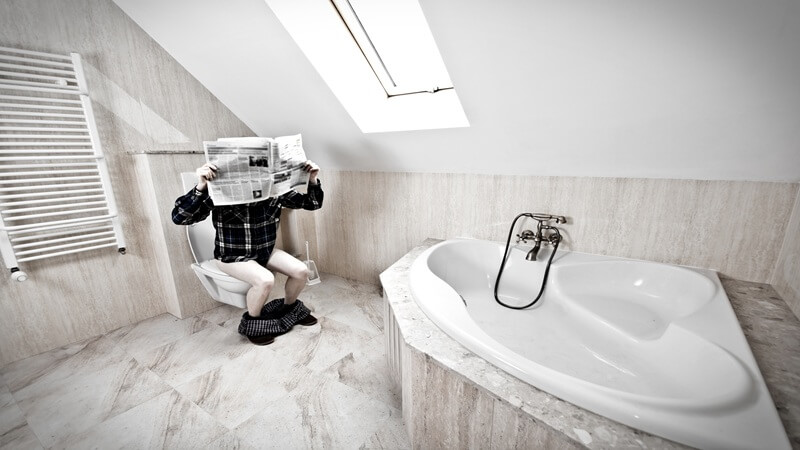
Bathroom remodeling is one of the most rewarding home improvement projects because it improves comfort, increases functionality, and boosts long-term property value. Whether you want a simple refresh or a full transformation, a bathroom remodel gives you a chance to create a space that matches your lifestyle. In this complete guide, you will learn how the process works, how to plan it, and what trends can make your project successful in 2025.
What Bathroom Remodeling Really Means
Many homeowners confuse a remodel with a renovation. However, there is a clear difference.
-
Bathroom remodeling involves changing the form and function of the room. This can include altering the layout, upgrading plumbing, or replacing electrical lines.
-
A bathroom renovation focuses on cosmetic fixes. It includes replacing fixtures, painting, and updating surfaces while leaving the existing layout mostly untouched.
Because a remodel is more complex, it requires better planning, a realistic budget, and the right professionals to execute the project safely.
Why Bathroom Remodeling Is a Smart Investment
If done correctly, a bathroom remodel offers several long-term advantages:
1. Higher Home Value
Buyers expect modern bathrooms because they reflect the overall condition of a home. A well-designed remodel can offer a return on investment (ROI) between 45% and 60%, depending on the materials and quality of the upgrades.
2. Better Functionality
A remodel lets you customize your bathroom to match your lifestyle. For example:
-
Adding double vanities for busy mornings
-
Converting a tub into a walk-in shower
-
Improving lighting and ventilation
-
Adding storage to reduce clutter
3. Improved Energy Efficiency
Eco-friendly fixtures reduce your water and electricity usage. Low-flow toilets, LED lighting, and smart ventilation all lower monthly utility bills.
4. Enhanced Safety
Older bathrooms often have tripping hazards, outdated wiring, or slippery flooring. A remodel gives you the chance to add:
-
Slip-resistant flooring
-
Grab bars
-
Walk-in showers
-
Better lighting
Safety upgrades make the space comfortable for all ages, especially seniors or people with limited mobility.
Planning Your Bathroom Remodel the Right Way
A successful project always begins with careful planning. Below is a step-by-step method that helps you stay organized.
1. Define the Scope of the Project
The scope determines your time, budget, and labor requirements.
• Minor Refresh
This level includes paint, updated fixtures, new mirrors, and modern accessories. It costs less and can be completed in a short time.
• Mid-Level Remodel
This option includes installing a new toilet, vanity, tub or shower, and flooring. It may require partial plumbing or electrical adjustments.
• Major Bathroom Remodeling
This is a full transformation with layout changes, structural updates, new plumbing routes, and premium materials. It offers the biggest improvement but requires a larger investment.
2. Set a Realistic Budget
Bathroom remodel costs vary widely:
-
Small DIY remodel: $2,500 – $15,000
-
Full professional remodel: $25,000 – $50,000
-
Luxury upgrade: $60,000 – $80,000+
Remember, labor costs often make up 40% to 65% of the total budget. Always include a 10%–20% contingency fund for unexpected issues, especially hidden water damage behind walls or under flooring.
3. Choose DIY vs. Hiring Professionals
While DIY projects help you save money, not every bathroom improvement is safe to handle alone.
DIY is suitable for:
-
Painting
-
Installing simple fixtures
-
Changing hardware
-
Updating accessories
Hire a licensed contractor for:
-
Plumbing relocation
-
Electrical rewiring
-
Structural changes
-
Ventilation improvements
Professional contractors also know building codes and obtain necessary permits to keep your project compliant.
4. Create a Timeline
Bathroom remodeling timelines depend on the project scope:
-
Minor updates: A few days to two weeks
-
Mid-level remodel: Two to four weeks
-
Full remodel: Four to eight weeks or more
Delays happen due to material availability, inspections, or custom orders. Planning ahead helps you avoid stress.
5. Finalize the Design and Layout
Before work begins, decide your preferred style. Popular themes include:
-
Modern
-
Minimalist
-
Industrial
-
Transitional
-
Spa-inspired
-
Classic luxury
Think about your storage needs, shower or tub preferences, lighting requirements, and long-term use. If you want aging-in-place features, incorporate them now instead of later.
The Typical Bathroom Remodeling Process
When you hire professionals, the remodel usually follows a standard sequence.
1. Consultation and Design
The contractor listens to your vision, takes measurements, and develops a layout using software. They also help you choose materials that fit your budget and goals.
2. Permitting
Some remodels require permits, especially when plumbing or electrical lines are altered. Your contractor usually handles this step.
3. Demolition
Old fixtures, tiles, cabinetry, and sometimes walls are removed. Good contractors control dust and protect other areas of your home.
4. Rough-In Work
Licensed tradespeople install or upgrade:
-
Water supply lines
-
Drains
-
Vent pipes
-
Electrical wiring
-
Exhaust fans
This stage ensures the new design works flawlessly.
5. Installation
Major elements are installed, such as:
-
Shower or tub
-
Vanity and sink
-
Toilet
-
Flooring
-
Waterproofing
-
Drywall and tile backer boards
6. Finishing Touches
Small details complete the space:
-
Paint or wallpaper
-
Mirrors
-
Lighting
-
Shelving
-
Accessories
-
Hardware
7. Cleanup and Inspection
The area is cleaned, inspected, and tested to ensure everything works correctly and meets building codes.
Popular Bathroom Remodeling Ideas for 2025
Below are trending ideas that can improve beauty, efficiency, and resale value.
1. Fixture Upgrades
Modern fixtures improve both style and performance.
-
Low-flow toilets save water.
-
Smart faucets offer touchless operation.
-
Rain showers create a spa-like environment.
-
Freestanding tubs enhance luxury designs.
2. Lighting and Ventilation Improvements
Lighting dramatically affects the bathroom’s appearance. Combine:
-
Ambient lighting
-
Task lighting near the vanity
-
Accent lighting around mirrors or shelves
A high-quality exhaust fan prevents moisture damage and mold growth.
3. Smart Storage Solutions
Clutter makes a bathroom feel smaller. Popular storage ideas include:
-
Floating vanities
-
Medicine cabinets with lights
-
Built-in shelving
-
Shower niches
-
Storage towers
4. Durable and Stylish Tile Options
Tile plays a big role in long-term durability. Top choices include:
-
Ceramic
-
Porcelain
-
Marble
-
Mosaic accents
-
Luxury vinyl plank (LVP)
Water-resistant flooring is essential for preventing moisture problems.
5. Accessibility Features for All Ages
Homes today focus on universal design principles. Helpful additions include:
-
Grab bars
-
Walk-in tubs
-
Curbless showers
-
Bench seating
-
Wide entry doors
These upgrades increase safety without sacrificing style.
6. Eco-Friendly Designs
Sustainable bathroom remodeling options include:
-
Recycled tile
-
LED lighting
-
Natural stone
-
Energy-efficient ventilation
-
Low-flow fixtures
They reduce your environmental footprint while saving money in the long term.
Tips to Make Your Bathroom Remodel Stress-Free
A remodel can feel overwhelming, but these expert strategies keep the process smooth:
✔ Plan ahead and order materials early
Special items like custom vanities or rare tiles may take weeks to arrive.
✔ Set priorities
Focus on essentials first, such as plumbing and waterproofing.
✔ Balance beauty and functionality
Visual appeal is important, but durability matters more.
✔ Communicate clearly with your contractor
Good communication prevents mistakes and ensures your goals are understood.
✔ Keep future needs in mind
Think about how your bathroom will serve you five to ten years from now.
Common Mistakes to Avoid When Remodeling a Bathroom
Homeowners often repeat the same errors. Avoid them by following the tips below.
1. Ignoring ventilation
Moisture damage is one of the biggest threats to bathroom longevity.
2. Choosing cheap materials
In bathrooms, water exposure means you should never compromise on quality.
3. Installing poor lighting
A dark or dim bathroom feels small and uncomfortable.
4. Forgetting storage
Clutter builds up quickly without proper organization.
5. Changing the layout mid-project
Last-minute changes can cause delays and increase costs.
How to Choose the Right Contractor for Bathroom Remodeling
A skilled contractor can make or break your project. Look for:
✔ Licensing and insurance
This protects you from liability.
✔ Experience with bathroom projects
Bathrooms require specialized plumbing and waterproofing knowledge.
✔ Portfolio of past work
Look for consistent quality and design variety.
✔ Transparent pricing
Avoid contractors who are vague about project costs.
✔ Written contract
Make sure every detail is documented.
Good contractors also maintain open communication and keep your home clean during the project.
Bathroom Remodeling Costs: What Affects the Final Price?
Several factors affect your remodeling budget:
-
Size of the bathroom
-
Quality of materials
-
Labor rates in your area
-
Unexpected repairs (water damage, mold, rot)
-
Plumbing or electrical relocation
-
Custom features
You can keep costs manageable by selecting mid-range materials, choosing a simple layout, or mixing DIY tasks with professional work.
Conclusion: Why Bathroom Remodeling Is Worth Every Dollar
Bathroom remodeling is one of the most effective ways to improve your home’s value, comfort, and efficiency. It lets you create a modern, functional, and stylish space that fits your lifestyle. Whether you want a simple update or a complete transformation, smart planning and the right team can turn your vision into reality. With the design trends, tips, and steps outlined in this guide, you are now ready to start your remodel with confidence.
Your dream bathroom is only a plan away—so start today and enjoy a space that works better and looks better for years to come.
For more info visit TheSerpentRogue