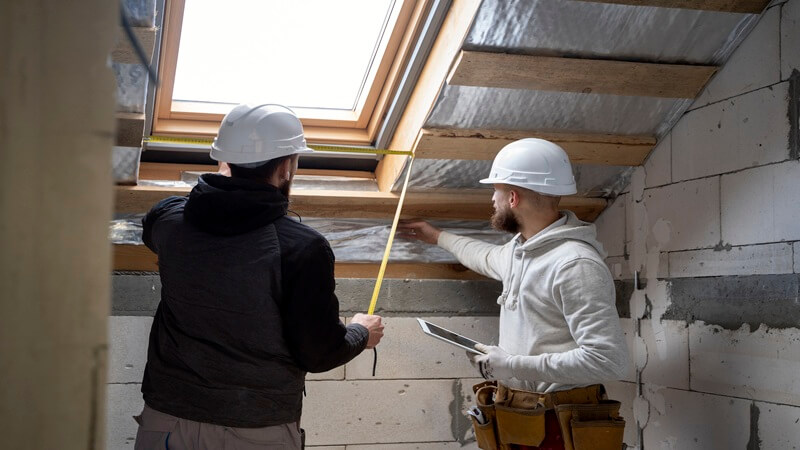
An attic conversion is one of the smartest ways to add value, comfort, and extra space to your home without expanding its footprint. Many homeowners overlook their attic, but it often holds incredible potential. With thoughtful planning, strong structural work, and efficient design, you can transform this unused area into a beautiful, functional room. In this guide, you will learn everything you need to know about the process, from feasibility to finishing touches.
What Is an Attic Conversion?
An attic conversion transforms your underused roof space into a livable room, such as a bedroom, office, storage area, or playroom. Instead of building a costly home extension, you upgrade the inside of your existing structure. This approach saves time and money while increasing your home’s market value.
Homeowners choose this upgrade because the process is efficient, creative, and customizable. With the right design, your attic can become one of the most attractive spaces in your entire house.
Key Considerations Before Starting
Before you begin, you must understand what makes an attic suitable for conversion. This stage determines whether the project is possible, practical, and cost-effective.
1. Feasibility Assessment
Not every attic can be converted. You need to check several important elements:
-
Head Height: A minimum of 2.2 meters of internal height is usually recommended. This ensures comfort and prevents the ceiling from feeling too low.
-
Roof Structure:
-
Rafter Roofs are easier to convert because they leave more open space.
-
Trussed Roofs offer less open area and often require more structural work.
-
-
Floor Strength: Attic floors are not built for heavy “live loads.” A structural engineer must check the joists to ensure they can support people and furniture.
A professional assessment gives you a clear picture of what is possible and helps you plan the next steps.
2. Regulations and Permissions
Every attic conversion must follow building regulations. These rules ensure the structure remains safe, energy-efficient, and durable.
Most projects require building regulations approval. You may also need planning permission if the project:
-
Changes the roof shape
-
Adds dormers
-
Alters the exterior appearance
Working with a qualified architect or contractor helps you meet all legal requirements smoothly.
3. Budget and Expected Disruption
Attic conversions are generally cheaper and less disruptive than ground-floor extensions. However, the cost varies depending on complexity.
Basic storage conversion: lowest cost
Full bedroom suite with bathroom: higher cost
Your budget should also include:
-
Structural reinforcement
-
Plumbing (if needed)
-
Electrical work
-
Windows or skylights
-
Staircase installation
Although construction can create noise and dust, the disruption is manageable because the work stays above the main living areas.
4. Intended Use of the Space
Before design begins, decide how you plan to use your new room. Your choice affects the layout, insulation needs, electrical points, and window placement.
Popular attic uses include:
-
Bedroom
-
Office
-
Guest suite
-
Kids’ playroom
-
Hobby room
-
Climate-controlled storage
This clarity ensures your attic conversion meets your long-term needs.
Types of Attic Conversions
Not all attic conversions are the same. Each type offers unique benefits, costs, and structural requirements. Understanding these options helps you choose the design that fits your space and vision.
1. Roof Light (Velux) Conversion
This is the simplest type of conversion. It involves installing roof windows without changing the roof structure.
Key Features:
-
Most cost-effective option
-
Least disruptive
-
Typically does not require planning permission
-
Works best when the attic already has enough headroom
This option is ideal for homeowners seeking a bright, airy space without major construction.
2. Dormer Conversion
A dormer extends vertically out from the existing roof, forming a box-shaped structure with a flat ceiling and full-height walls.
Advantages:
-
Substantial increase in headroom
-
More usable floor space
-
Ability to install standard windows
-
Ideal for bedrooms and offices
Because it physically alters the roof shape, planning permission may be needed.
3. Hip-to-Gable Conversion
Homes with hipped roofs often lose internal space due to angled sides. A hip-to-gable conversion replaces one sloping end with a straight vertical wall.
Good For:
-
Detached homes
-
Semi-detached homes
-
Houses with limited attic width
This option creates a spacious rectangular room but requires more structural work.
4. Mansard Conversion
A mansard conversion changes the entire roof slope to nearly vertical walls at about 72 degrees. It creates the maximum amount of usable space.
Why Consider It:
-
Largest internal area of all conversion types
-
Feels like a full additional floor
-
Perfect for large bedrooms, studios, or multi-room layouts
This is the most complex and costly option. It requires full planning permission and significant construction.
The Attic Conversion Process: Step-by-Step
The conversion process follows a structured path. Each stage builds on the previous one to ensure safety, efficiency, and long-lasting results.
1. Assess and Plan
Start by meeting with an architect and structural engineer. They will:
-
Evaluate your attic’s structure
-
Measure head height
-
Review roof type
-
Identify required reinforcements
-
Produce detailed architectural plans
You should also confirm your intended use so the design fits your vision.
2. Secure Permissions
You must submit your plans to your local authority. They review building regulations, fire safety, insulation standards, and structural stability.
If planning permission is required, you should apply early to avoid delays.
3. Structural Work
This stage focuses on reinforcing your attic so it can safely support everyday living.
Typical tasks include:
-
Strengthening the floor joists
-
Adjusting roof supports
-
Installing dormers or gable walls if needed
-
Creating openings for windows or skylights
This phase defines the room’s shape and future usability.
4. Install Utilities and Insulation
Your attic must meet modern standards for comfort and energy efficiency.
Work includes:
-
Electrical wiring for lights, outlets, and internet
-
Plumbing for bathrooms or sinks
-
HVAC extensions or mini-split systems
-
High-quality insulation to manage temperature
-
Ventilation to prevent condensation
Proper insulation also reduces energy bills and boosts your home’s sustainability.
5. Create Access and Egress
A converted attic must be safely accessible. Most projects require a permanent staircase, not a ladder.
The staircase must:
-
Meet building code requirements
-
Provide safe access
-
Fit within your existing layout
You must also include a window or another escape route for fire safety.
6. Interior Finishing
Now the space begins to look like a real room. Interior finishing adds personality, comfort, and style.
Tasks include:
-
Installing drywall
-
Adding internal partitions
-
Painting walls
-
Laying flooring
-
Adding lighting and fixtures
-
Fitting furniture
At this stage, your attic transforms into a fully livable, functional space.
7. Final Inspection
Once the work is complete, building control officers inspect the attic. They check structural integrity, safety, and compliance with all regulations. After approval, you receive a certificate that confirms your attic conversion meets official standards.
Benefits of an Attic Conversion
A well-planned attic conversion offers long-term advantages:
-
Increases home value significantly
-
Adds usable space without sacrificing yard area
-
Lets you design a room tailored to your needs
-
Improves energy efficiency
-
Enhances natural light with skylights or windows
It is one of the most rewarding home improvement projects for both lifestyle and investment.
Common Mistakes to Avoid
To keep your project smooth, avoid these common errors:
-
Starting without a professional assessment
-
Installing windows without considering natural light flow
-
Choosing cheap insulation
-
Ignoring ventilation
-
Forgetting about storage solutions
-
Cutting corners on structural work
Working with experienced professionals helps prevent costly problems.
Conclusion
An attic conversion is an excellent way to maximize your home’s space and value. With proper planning, structural upgrades, and thoughtful design, you can turn an unused attic into a stunning and practical part of your home. From feasibility checks to interior finishing, every step matters. Whether you want a peaceful bedroom, a productive office, or a creative studio, this project gives you the freedom to build a space that fits your lifestyle perfectly.
By following this guide, you can confidently begin your attic conversion and enjoy the benefits of a beautifully transformed living area for years to come.
For more info visit TheSerpentRogue